Brooklyn Heights Locksmith Service Team
Local locksmith team
Apr 16, 2026 11 min read
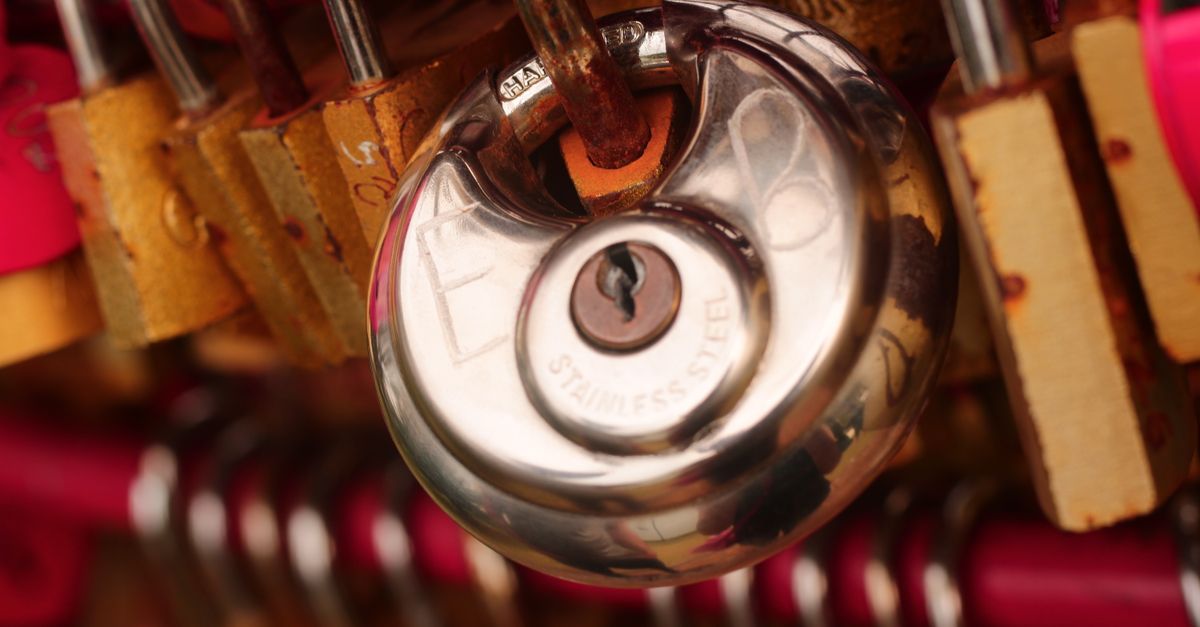
It happens in an instant — one too-sharp turn, a metal key already weakened by years of daily use, and suddenly half of it is lodged inside your lock while the other half is in your hand. Whether it's the front door of a brownstone off Montague Street, the deadbolt of a Carroll Gardens apartment, or a car ignition in a parking garage under Atlantic Terminal, a broken key is one of those problems that goes from inconvenient to urgent fast. Before you reach for the needle-nose pliers or start hunting for a bobby pin, stop — because the wrong move can push the broken piece deeper into the cylinder and turn a quick fix into a full lock replacement.
This guide walks you through exactly what happens when a key snaps, why cylinder damage is so easy to cause accidentally, and how the trained technicians at Brooklyn Heights Locksmith extract broken keys cleanly — often in minutes — without harming the lock. You'll also find practical advice on when extraction alone is the right call, when it makes sense to change the lock entirely, and what factors shape the final cost of either service. If you're mid-crisis right now, skip to the bottom and call us directly at 718-928-6860. We're a 24/7 mobile team serving all of Brooklyn, and we can usually reach most neighborhoods within 30 to 45 minutes.
## Why Keys Break in the Lock in the First Place
Keys are stamped or cut from brass or nickel-silver blanks — materials that are durable under normal use but fatigue over time, especially at the bow-to-blade transition point. Daily bending stress, a lock cylinder that has grown stiff from dirt or a worn-out plug, lifting or torquing the key at an angle while turning, using a key that was cut from a worn original — any of these can accelerate metal fatigue. Brooklyn winters don't help either. When temperatures drop and door frames swell or contract, homeowners often apply extra force to finicky locks, and that's exactly when an already-weakened key gives way.
Mortise lock cylinders — the rectangular, cartridge-style locks common in Brooklyn's older pre-war buildings and multi-family homes — are particularly unforgiving in this scenario. Because the mortise lock mechanism sits deep inside the door slab, the keyway is longer, and a broken key fragment can travel further inward. Rim cylinder locks on gate-style applications and standard pin-tumbler cylinders in doorknob locks (the technical term for the cylinder inside a knob is a 'plug' housed in a 'lock body' — sometimes called a 'knob cylinder' or simply the door knob lock) all present their own extraction geometry. Knowing which type you have matters because it determines which tools a skilled technician will reach for first.
## What Emergency Locksmith Technicians Actually Do to Extract a Broken Key
When a Brooklyn Heights Locksmith technician arrives, the first step is never guesswork — it's assessment. Using a small penlight, the technician examines the keyway to determine how deep the fragment sits, whether it has rotated inside the plug, and whether any metal has sheared against the pin stacks. From there, the appropriate extraction tool is selected. Broken-key extractors are thin, hooked or spiral-tipped instruments purpose-built to slide alongside the fragment, catch on the key's cut edges, and draw it straight out along the shear line without rotating the plug further. For mortise lock cylinders, where the keyway profile tends to be more complex, technicians often use a combination of extractor hooks and needle-nose picks to work the piece free incrementally.
Lubricant — typically a dry graphite spray rather than oil-based products that attract grit — is sometimes applied to reduce friction between the fragment and the cylinder walls. If the key broke while under rotational pressure (meaning the plug is sitting between positions), the technician must first relieve that tension before extraction, or the broken piece will bind harder against the pins. This tension-relief step is what DIY attempts most commonly skip, and it's why so many self-help efforts end with the fragment pushed further in or a bent pin that now requires re-pinning or full cylinder replacement. If you're dealing with a broken key right now and haven't yet attempted extraction, your best move is to call 718-928-6860 — letting a professional handle it from the start almost always costs less than correcting a damaged cylinder afterward.
## Mortise Lock Extraction vs. Standard Cylinder Locks — Why the Difference Matters
Not all locks are created equal, and the distinction matters enormously when a key breaks. A standard pin-tumbler cylinder in a deadbolt or door knob lock typically has a straightforward keyway and a relatively short plug — conditions that make extraction more accessible. A mortise lock, by contrast, is an integrated unit recessed into a pocket (the 'mortise') cut into the door's edge. The cylinder screws into the mortise body, and the keyway of a mortise lock often features security warding — extra ridges inside the keyway that restrict which key profiles can enter. These features are excellent for security but narrow the working space an extractor tool has to maneuver.
Brooklyn's housing stock skews heavily toward pre-war construction — think the landmarked rowhouses of Brooklyn Heights itself, the limestone-fronted buildings along Clinton Hill's Washington Avenue, or the century-old apartment buildings throughout Park Slope. These properties were built when the mortise lock was the residential standard, and many still run on original or near-original hardware. Our technicians are experienced with the full range of mortise lock brands and configurations, from antique single-cylinder units to modern high-security replacements. After a successful extraction, we inspect the cylinder's pin stacks for any damage caused by the break, test the lock with a verified working key, and give you an honest recommendation: continue using the existing cylinder, re-key it, or change the lock.
## When to Extract, Re-Key, or Change the Lock — Practical Decision Guide
Extraction alone is the right call when the cylinder is undamaged, you have a working spare key, and the break was caused purely by key fatigue rather than a problem with the lock itself. Once the fragment is out, the lock functions normally and you simply need a new key cut from the original — something our mobile unit can often do on-site. Re-keying makes sense when you want the same lock hardware but new keys: a technician removes the cylinder, replaces the driver pins, and re-pins the plug so that old keys no longer work. Homeowners frequently ask 'can I change the lock on my apartment?' after moving in, after a break-in attempt, or after losing a key — re-keying is often the most practical answer because it preserves existing hardware and is generally quicker than a full swap.
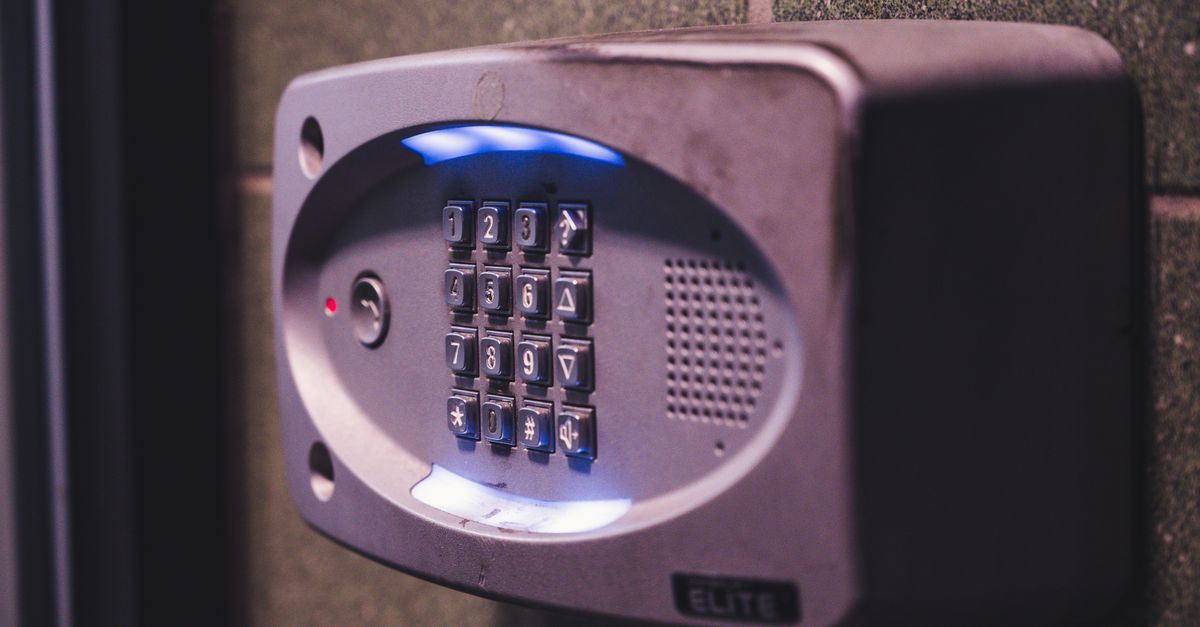
A full lock change is warranted when the cylinder itself is damaged, when the mortise lock body has internal wear, when the existing hardware is outdated or incompatible with a new security standard, or when a landlord or building manager needs to upgrade multiple units at once. How to change the lock on a sliding glass door, for example, is a question we get regularly in Brooklyn neighborhoods with garden-level apartments — the answer involves replacing the latch-style mortise lock or hook-bolt mechanism specific to that door type, which requires different hardware and technique than a standard swinging entry door. If you're wondering how to change the lock code on a door with an electronic keypad — for a push button door lock or a keypad door lock — our technicians handle those too, both re-programming existing units and swapping in new smart-lock hardware. The process for a keypad door lock how to change code varies by brand, so having a trained technician set it up correctly the first time avoids lockouts caused by mis-programmed sequences.
## How Much Does a Locksmith Cost in Brooklyn? What Goes Into the Price
One of the most common questions we hear — right after 'how fast can you get here?' — is some version of 'how much does a locksmith cost in Brooklyn?' or 'how much do locksmiths charge on average?' We never quote vague ranges because the honest answer is: it depends on several specific factors, and we confirm an exact price before any work begins. Here's what actually shapes the final number: the type of lock involved (a standard door knob lock costs less to service than a high-security mortise lock with restricted-key cylinders); whether the work is extraction, re-keying, or a full hardware change; the time of call (our team is available around the clock, and late-night or early-morning dispatch for an emergency locksmith call reflects real operational costs); travel distance within Brooklyn; and whether specialty parts — a new mortise lock body, a smart-lock module, or a high-security cylinder — need to be sourced from our mobile inventory or ordered.
Questions like 'who is an affordable locksmith in Brooklyn,' 'who is the cheapest locksmith,' or 'how much should an emergency locksmith cost' often come from people who've been surprised by a bill after the fact. Our policy is transparency before the wrench turns: a technician assesses the job, tells you the exact cost, and you decide whether to proceed. How much does an emergency locksmith cost near me is also shaped by whether the provider is actually local and mobile — we are based in Brooklyn and operate throughout the borough, which means shorter drive times and no inflated travel fees from outer-borough dispatch. Our team is insured, experienced, and equipped with a wide mobile inventory so we can complete most jobs in a single visit — no return trips, no surprise parts charges.
## 25 Locksmith Services We Provide Across Brooklyn
Whether you're a homeowner, a renter, a property manager, or a driver, Brooklyn Heights Locksmith covers a wide range of situations. Here is a specific breakdown of what our mobile team handles across the borough: residential broken key extraction from pin-tumbler cylinders; broken key extraction from mortise lock bodies; mortise lock body repair and replacement; residential cylinder re-keying; residential lock change for entry doors; apartment lock change for renters and landlords; sliding glass door lock replacement and hook-bolt mechanism installation; door knob lock replacement and re-keying; deadbolt installation and upgrade; high-security cylinder installation (Schlage, Kwikset, and others); smart lock and keypad door lock installation; keypad door lock code reprogramming; push button door lock code change and troubleshooting; electronic access control installation for multi-family properties; mailbox lock replacement; gate lock and padlock service; commercial locksmith services for storefronts and offices; commercial mortise lock installation for commercial-grade doors; master key system design and implementation; commercial re-keying for multi-unit buildings; safe opening and combination change; automotive lockout service; car key replacement and duplication; transponder key programming; and 24/7 emergency locksmith dispatch for lockouts, break-in damage repair, and urgent lock changes throughout Brooklyn.
Frequently asked questions
Can I remove a broken key from the lock myself without damaging the cylinder?+
It's possible in ideal conditions — specifically when the fragment is protruding enough to grip cleanly and the plug is in the fully resting position so there's no rotational tension. If either of those conditions isn't met, attempting extraction with household tools like pliers, tweezers, or paper clips almost always makes things worse by pushing the fragment deeper or bending the pin stacks. If any part of the fragment is flush with or below the face of the cylinder, call a professional. The extraction tools technicians use are purpose-built for keyway geometry, and the job typically takes only a few minutes when done right.
After the broken key is removed, will my lock still work normally?+
In most cases, yes — provided the key broke due to metal fatigue rather than damage to the cylinder itself. Our technicians inspect the pin stacks and plug after every extraction to confirm no pins were displaced or bent during the break. If the lock tests cleanly with a verified spare key, it's safe to continue using. If we find pin damage or worn wafers inside a mortise lock, we'll explain your options clearly — re-pinning the cylinder, replacing the cylinder, or a full lock change — and give you an exact price before doing any additional work.
Does it matter what type of lock I have — mortise lock vs. deadbolt vs. door knob lock — for the extraction process?+
Yes, it matters quite a bit. Mortise lock cylinders have more complex keyway profiles and are recessed deeper into the door, which requires longer, more specialized extraction tools and more careful technique to avoid scratching the warding. Standard deadbolt and door knob lock cylinders are generally more accessible, but the fragment can still rotate into a binding position that requires tension relief before extraction. Our technicians assess the lock type on arrival and select the right approach for that specific cylinder rather than applying a one-size-fits-all method.
How quickly can Brooklyn Heights Locksmith reach me, and are you really available at 3 a.m.?+
Yes, genuinely — our team operates 24 hours a day, seven days a week, including holidays. We're a mobile unit based in Brooklyn, so we're not dispatching from a distant borough or a call center that subcontracts. For most Brooklyn neighborhoods — from Bay Ridge to Williamsburg, Flatbush to DUMBO — we aim to arrive within 30 to 45 minutes of your call. Late-night and early-morning jobs are a regular part of what we do, not an exception. Call 718-928-6860 any time and you'll reach a live person who can dispatch a technician to your location.