Brooklyn Heights Locksmith Service Team
Local locksmith team
Jul 9, 2026 13 min read
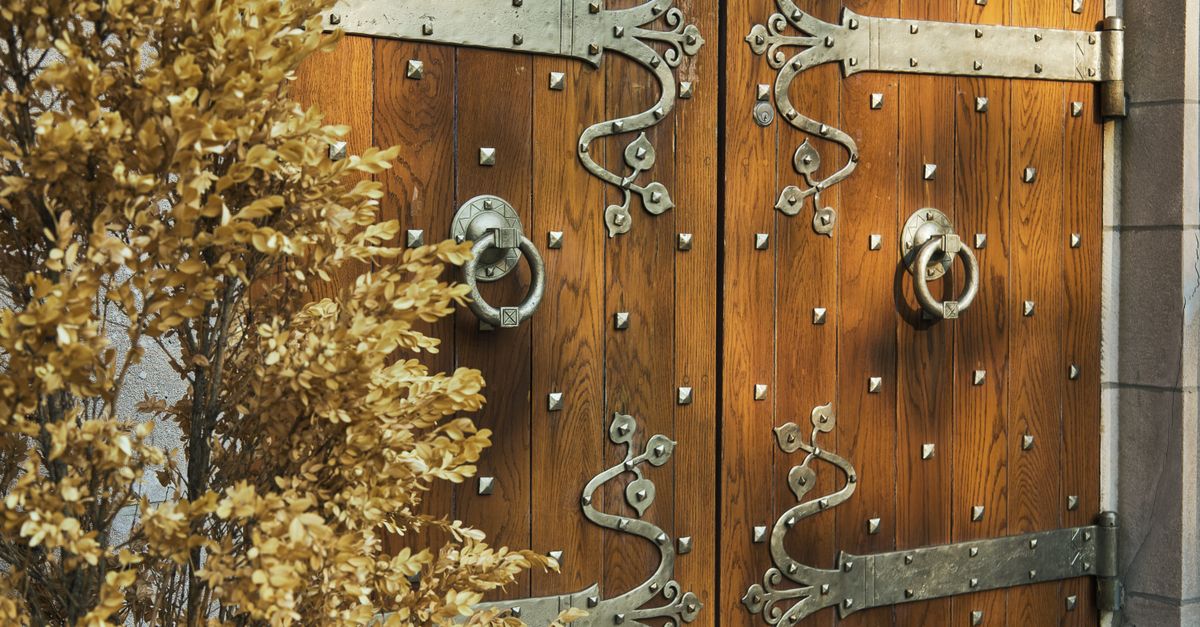
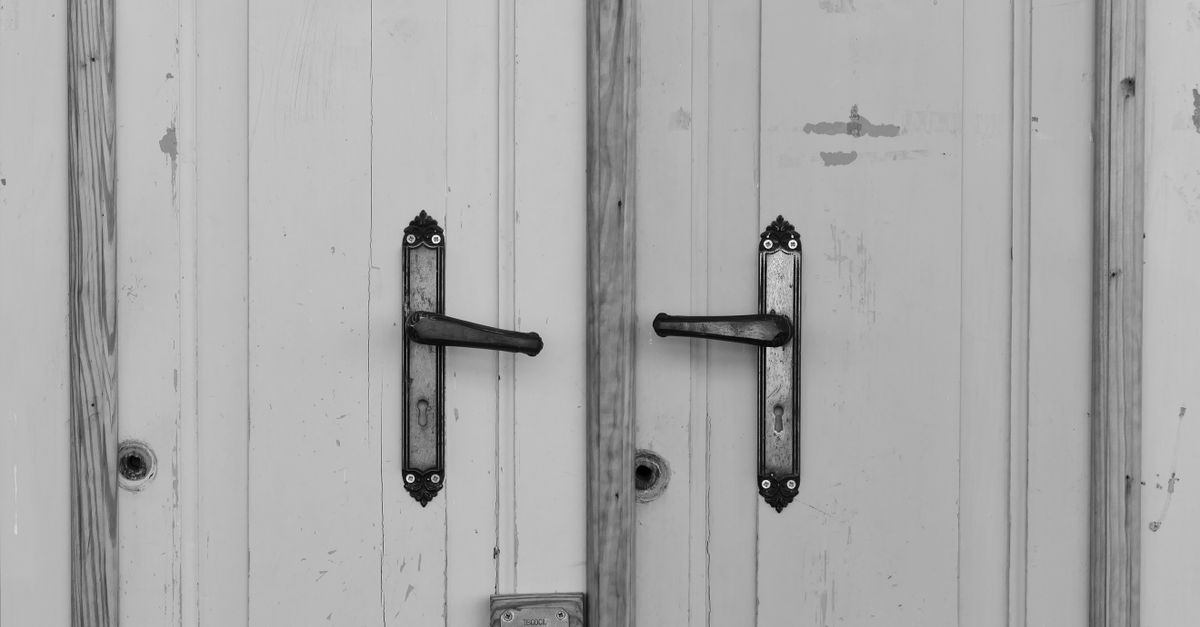
If you've ever fumbled with the lock on a classic Brooklyn Heights brownstone, you've almost certainly had your hands on a mortise lock — even if you didn't know it by name. These heavy, rectangular lock bodies are set directly into a pocket (or "mortise") cut into the edge of the door, and they've been the hardware of choice for New York City's pre-war housing stock for well over a century. Walk down Pierrepont Street or Remsen Street on any given evening and you'll find row after row of townhouses still secured by the same style of mechanism that was installed when those homes were first built.
Understanding what you're working with matters, because mortise locks age, wear, and fail in ways that are very different from the simple cylindrical locksets found on modern doors. When something goes wrong — a key that won't turn, a latch that won't retract, a cylinder that spins freely — you need to know whether you're looking at a quick adjustment, a cylinder swap, or a full mortise lock set replacement. This guide breaks all of that down, so you can make a confident, informed decision instead of a panicked one.
## What Is a Mortise Lock, and Why Is It Everywhere in Brooklyn?
A mortise lock is a complete locking mechanism housed inside a rectangular metal case that is recessed into a routed-out cavity within the door stile itself. Unlike a standard cylindrical lockset — where a simple bored hole holds a self-contained knob or lever assembly — a mortise lock integrates the deadbolt, the latch bolt, and often a privacy function into one unified body. The lock body is typically activated by an exterior cylinder (the part your key goes into) and an interior thumbturn, and it's finished with an escutcheon plate that frames everything neatly on the face of the door. The result is a mechanism that is mechanically complex, exceptionally robust, and far more resistant to forced entry than a standard cylindrical lock.
Brooklyn's pre-war brownstones and limestone rowhouses were built during a period when mortise lock sets were the industry standard for residential and commercial doors alike. Manufacturers like Corbin Russwin and Baldwin built devices meant to last decades, and many of them have done exactly that. The cast-iron and solid-brass components found in these older units often outlast the wooden doors they're mounted in. That's both a blessing and a challenge: the hardware is durable, but sourcing exact replacement parts for a Corbin Russwin mortise lock or a vintage Baldwin mortise lock that's 80 years old requires real knowledge of older specifications — not just a trip to a big-box hardware store.
## The Anatomy of a Mortise Lock Set: Know What You're Dealing With
A complete mortise lock set for an exterior door includes several components working together: the lock body (the rectangular case inside the door), the mortise lock cylinder (the keyed plug installed in the face of the door through which the tailpiece connects to the lock body), the exterior trim — which may be a lever handle, a door knob with lock and key, or a pull handle — and the interior thumbturn or lever. Escutcheon plates, rose trim, and strike plates complete the assembly. When any one of these components fails, the entire system can become unreliable or inoperable, even if the other parts are in perfect shape.
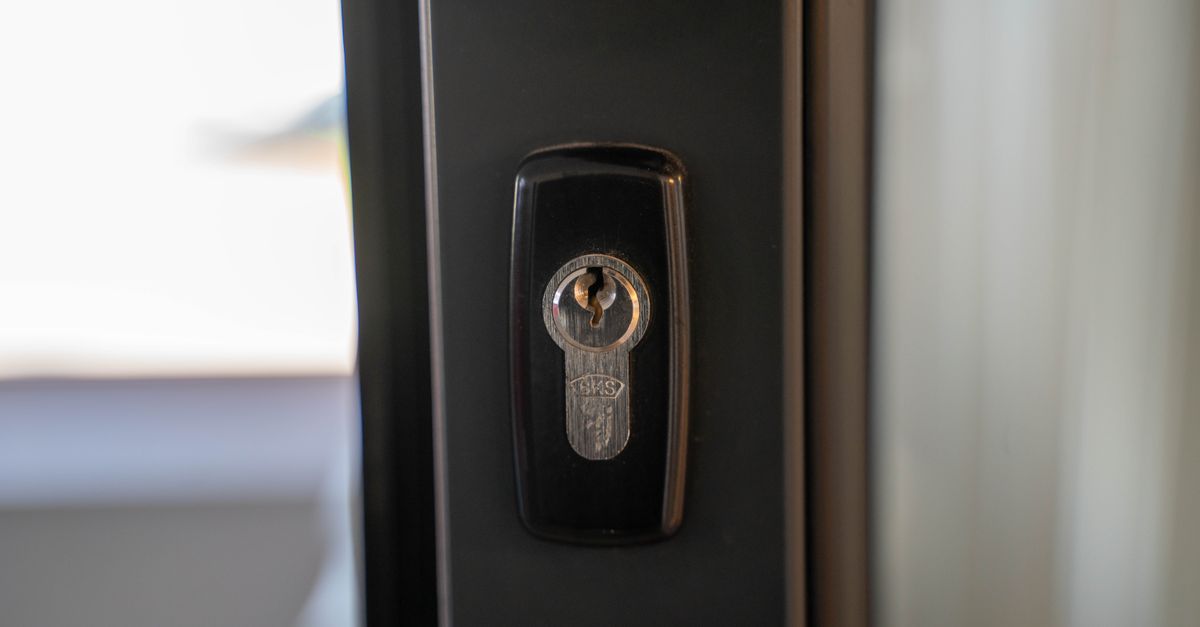
The mortise lock cylinder deserves special attention because it is both the most frequently replaced component and the most critical security point. Over years of daily use, cylinder pins wear down, tumblers become sluggish, and keyways develop sloppy tolerances that make the key feel loose or require jiggling. On older Brooklyn doors, the cylinder may also be a non-standard size, which means a professional needs to measure and source the right replacement rather than guessing. Upgrading to a high-security cylinder — one with anti-pick, anti-drill, and anti-bump features — is one of the most cost-effective security improvements you can make to a brownstone door without replacing the entire lock body.
## Warning Signs Your Mortise Lock Needs Repair or Replacement
Brooklyn homeowners tend to tolerate a lot from aging hardware — a little stiffness here, a wobble there — but there are specific signs that indicate your mortise lock has moved from "quirky" to genuinely compromised. A key that requires heavy force, turning past its normal stop point, or spinning without engaging the bolt suggests internal wear or a broken cam. A latch that doesn't retract smoothly, or a deadbolt that requires you to lift the door slightly before it will throw, points to a misaligned lock body or a sagging door frame — both common in buildings that have settled over decades. If the exterior trim plate is loose or the cylinder wobbles in its housing, the door's security is already degraded even if the key still works.
The most urgent signal is a mortise lock cylinder that turns without resistance in either direction — this usually means the tailpiece that connects the cylinder to the lock body has sheared, or the set screw holding the cylinder has backed out. At that point, the lock is essentially non-functional and the door should be considered unsecured. Similarly, if your lock body has been compromised during a break-in attempt — bent faceplate, visible tool marks around the cylinder, a damaged strike — a full inspection is necessary before you can assess whether repair or full replacement is the right path. If you're in that situation right now, call 718-928-6860 and our team will reach you wherever you are in Brooklyn, around the clock.
## Mortise Lock Repair, Rekeying, and Replacement: What Each Service Actually Involves
Repair covers a wide range of interventions: lubricating and adjusting the internal mechanism, replacing worn springs or cams inside the lock body, tightening or replacing the cylinder set screw, adjusting the strike plate alignment, or swapping out a damaged mortise lock cylinder for one that matches the existing keyway. Rekeying — changing the internal pin configuration so that old keys no longer work — is a separate service that's common after a change of tenancy, a lost key, or a recent move. On a mortise lock, rekeying is done at the cylinder level and requires a professional with the right key gauge and pin kit for the specific cylinder brand. It is significantly less involved than full replacement and is often the right solution when the hardware itself is in good working order.
Full replacement of a mortise lock set for an exterior door becomes necessary when the lock body is mechanically failed beyond repair, when the door has been significantly damaged, or when the homeowner is upgrading security to a modern standard. A skilled locksmith will remove the existing lock body, measure the door stile accurately to confirm the pocket dimensions, source a compatible replacement (which may be a current-production unit from a manufacturer like Baldwin or a matched period-appropriate spec), and reinstall with proper alignment and trim. The factors that shape what you'll pay for this service include the specific lock model required, whether any door modifications are needed to fit a new body, the time of day the work is performed, and travel distance to your location. At Brooklyn Heights Locksmith, we confirm an exact price before any work begins — no surprises on the invoice.
## How a 24/7 Emergency Locksmith Approaches Brownstone Lock Problems
A lockout on a brownstone door secured by a mortise lock is a different scenario from a lockout on a modern apartment door with a cylindrical deadbolt. The mechanisms require different techniques to open non-destructively, and the older the hardware, the more important it is that the responding locksmith has hands-on experience with pre-war lock types rather than just modern residential hardware. Our mobile team in Brooklyn handles mortise lock emergencies across the borough — from Carroll Gardens to Crown Heights, from Cobble Hill to the waterfront blocks of Brooklyn Heights — with the tools and knowledge to service both vintage and contemporary mortise hardware on the spot.
Beyond emergency lockouts, our services span the full range of residential and commercial locksmith needs: mortise lock repair and full replacement, high-security cylinder upgrades, rekeying after a move or lost key, door knob lock installation and replacement, master key system design for multi-unit buildings, access control and keypad lock installation, mailbox and intercom locks, padlock and deadbolt installation, car lockouts and automotive key replacement, transponder key programming, broken key extraction, safe opening and combination changes, storefront gate lock repair, and more. When a building manager on Montague Street needs a master key system that works across six units — each with its own vintage mortise hardware — that's exactly the kind of multi-step commercial locksmith project our experienced team handles regularly. Whether it's a single cylinder or a whole building's worth of hardware, call 718-928-6860 anytime — we're available 24 hours a day, seven days a week.
## What Determines the Cost of Locksmith Service in Brooklyn?
One of the most common questions we hear is some version of: how much does a locksmith cost in Brooklyn, or how much do locksmiths charge on average for emergency work? The honest answer is that there is no universal flat rate, because the final price depends on a specific set of variables: the type and brand of lock being serviced (a high-security Baldwin mortise lock cylinder costs more to source and install than a basic replacement), whether the job requires parts that need to be ordered versus stocked on the truck, the time of day (overnight and weekend emergency calls involve different logistics than a scheduled afternoon appointment), and how far our mobile unit needs to travel to reach you. A straightforward rekeying of a single cylinder during regular hours is a much simpler job than an emergency replacement of a failed lock body on a Sunday at 2 a.m.
What we commit to in every case is transparency: before any work begins, we give you a confirmed, exact price. There's no ambiguity about what you're agreeing to, and no additional charges appear once the job is done. That approach applies whether you're asking how much an emergency locksmith costs near you for a car lockout or pricing out a full mortise lock set replacement on an exterior door. We're insured, our technicians are trained and experienced on both residential and commercial hardware, and we stand behind the work we do. If you're trying to decide whether to repair or replace, or if you just want a professional opinion on what you're working with, we're happy to take a look and give you a clear assessment with no obligation to proceed.
## Keeping Your Brownstone Door Lock in Good Shape: Practical Maintenance Tips
Mortise locks are durable, but they benefit from basic maintenance that most homeowners in Brooklyn Heights never think about until something goes wrong. Once or twice a year, apply a dry graphite lubricant — not WD-40, which attracts dust and gums up the mechanism over time — to the keyway and the latch bolt. If your key has ever required more than one smooth turn to throw the deadbolt, that's your signal to have a locksmith inspect the cylinder and the lock body alignment before the problem progresses. Check the set screw on the cylinder escutcheon periodically; on high-use doors it can vibrate loose, and a cylinder that shifts even slightly in its mortise will wear unevenly and eventually fail.
If you're buying or renovating a brownstone and inheriting existing hardware, resist the urge to assume the locks are fine just because they work. Have a qualified locksmith inspect the internal mechanism, confirm the cylinder hasn't been compromised, and rekey everything so you have full control over who holds working keys. It's one of the most practical first steps any new Brooklyn homeowner can take, and it takes far less time than you might expect when you have an experienced professional doing it correctly the first time.
## Our Full Range of Services
Brooklyn Heights Locksmith provides a comprehensive range of locksmith services for homeowners, renters, building managers, and businesses across Brooklyn. Our services include: mortise lock repair, mortise lock cylinder replacement, full mortise lock set installation for exterior doors, rekeying residential locks, rekeying commercial locks, high-security lock upgrades, master key system design and installation, deadbolt installation and replacement, door knob with lock and key installation, lever handle lockset installation, keypad and electronic lock installation, access control system setup, smart lock installation and programming, mailbox lock repair and replacement, padlock installation, safe opening and combination changes, safe lock repair, storefront and roll-up gate lock repair, filing cabinet and desk lock replacement, car lockout service, truck and van lockout service, motorcycle lockout service, automotive key cutting, transponder key programming, key fob replacement and programming, broken key extraction from locks and ignitions, duplicate key cutting, intercom and buzzer lock repair, multi-unit building rekeying, and 24/7 emergency locksmith response across all Brooklyn neighborhoods.
Frequently asked questions
What is a mortise lock, and how is it different from a regular deadbolt?+
A mortise lock is a complete locking mechanism — including a latch bolt, deadbolt, and sometimes a privacy function — housed in a rectangular metal case that's recessed directly into the door's edge. A standard cylindrical deadbolt, by contrast, sits in a simple bored hole and contains only the deadbolt function. Mortise locks are more mechanically complex, more resistant to forced entry, and far more common in Brooklyn's pre-war brownstones than in modern construction. The trade-off is that repair and replacement require a locksmith with specific experience in mortise hardware, since the parts are not interchangeable with cylindrical hardware.
Can a locksmith rekey a mortise lock, or does the whole thing need to be replaced?+
In most cases, rekeying a mortise lock is entirely straightforward and doesn't require replacing the lock body at all. Rekeying is done at the cylinder level: the locksmith removes the mortise lock cylinder, changes the internal pin configuration to match a new key, and reinstalls it. The result is that all previously cut keys stop working. This is the right call after a move, a lost key, or any situation where you're uncertain who else has a copy. Full replacement of the lock body only becomes necessary when the internal mechanism is mechanically failed or when you're making a significant security upgrade.
How much does it cost to repair or replace a mortise lock in Brooklyn?+
There's no single flat rate because several factors shape the final price: the specific lock model required (a Corbin Russwin or Baldwin mortise lock cylinder, for example, may need to be specially sourced), whether the job requires custom door modifications, the time of day, and travel distance to your location. At Brooklyn Heights Locksmith, we assess the situation and confirm an exact price before any work begins, so you know what you're agreeing to with no surprises. Call 718-928-6860 to describe your situation and we'll walk you through what's involved.
My key turns but the deadbolt won't throw — what's wrong with my mortise lock?+
This is usually one of three things: the tailpiece connecting the cylinder to the lock body has worn or broken, the internal cam or lever mechanism inside the lock body is damaged, or the door and frame have shifted enough that the bolt is binding against the strike plate. The first two require opening the lock body for inspection and likely replacing a specific internal component or the cylinder itself. The third may only require adjusting the strike plate position. A locksmith experienced with mortise hardware can diagnose the exact cause quickly without guesswork, and in many cases the fix is a repair rather than a full replacement.